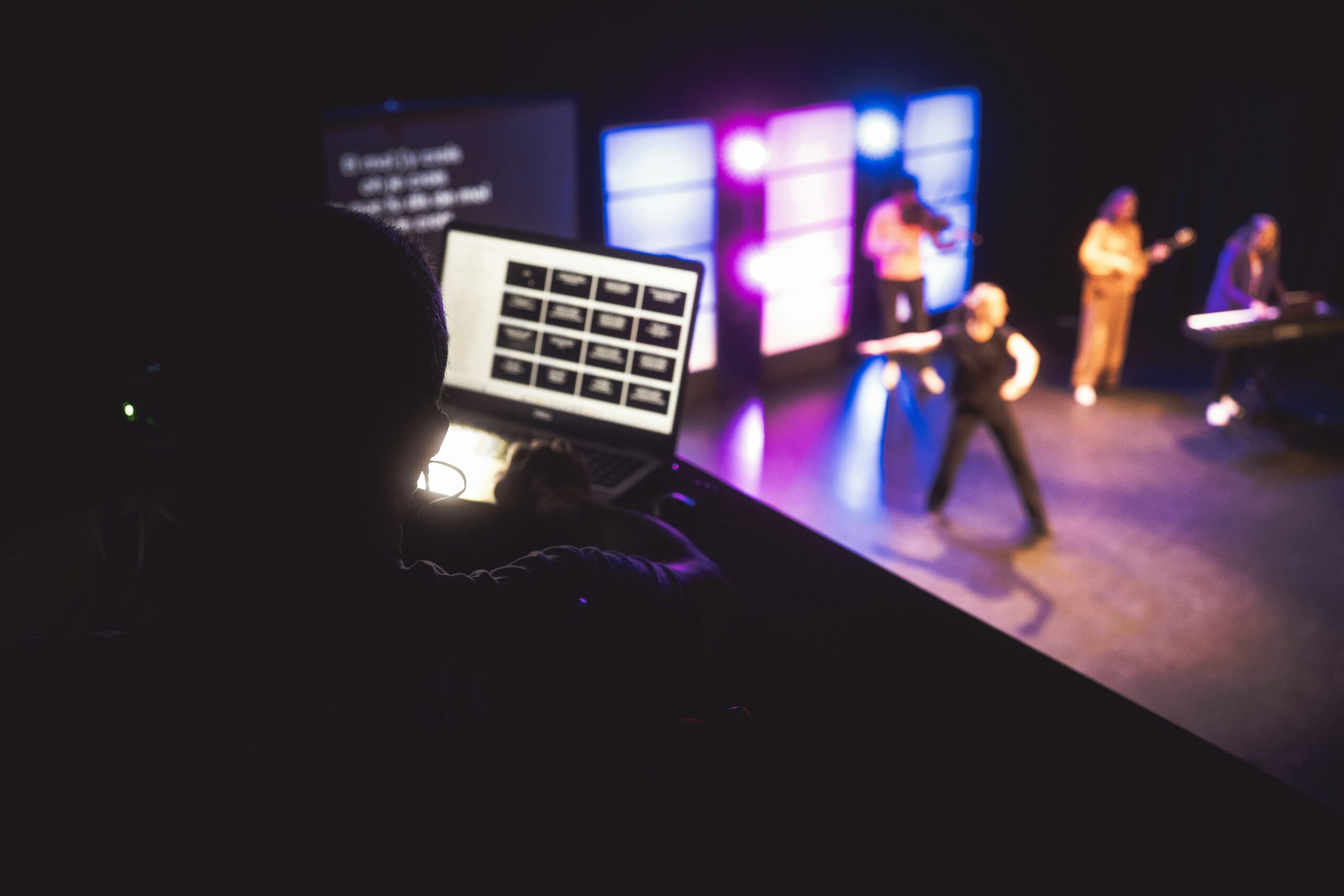
In a time filled with screens, apps, and endless scrolling, many people ask if live performance still has a place. Movies stream at home. Concerts play on phones. Virtual reality keeps growing. Yet live theatre continues to draw crowds. The lights dim, the curtain rises, and something powerful happens. Theatre still matters in a digital world because it offers real human connection, shared emotion, and a moment that cannot be paused or replayed.
The Power of Being Present
Digital media allows people to watch almost anything at any time. This is convenient, but it changes how people pay attention. Notifications pop up. Messages interrupt. Viewers multitask. In a theatre, the rules are different. Phones go silent. The room grows dark. The audience focuses on one story.
This shared focus creates a strong sense of presence. Actors perform only a few feet away. The audience hears each breath and sees each expression. Every laugh and gasp spreads through the room. Theatre still matters in a digital world because it asks people to slow down and truly be present.
When people sit together in silence, waiting for the first line, they share a rare experience. No one can rewind a live scene. No one can skip ahead. The moment unfolds once, and then it is gone. That feeling makes live theatre special.
Real People, Real Emotions
Digital effects can create large explosions and perfect images. However, they often miss the small human details. In live theatre, the emotion is raw and real. Actors may stumble on a word or change their tone in response to the crowd. Each performance is slightly different.
Theatre still matters in a digital world because it reminds people that art comes from real bodies and voices. The actor on stage is not a distant image. That person feels nervous, excited, or moved by the story. The audience senses this energy.
This exchange of emotion goes both ways. When the crowd laughs, actors hear it. When the audience sits in silence during a serious moment, actors feel the weight of it. This connection cannot be copied by a screen.
A Shared Community Experience
Watching a show alone at home feels different from sitting in a packed theatre. In a theatre, strangers gather for the same reason. They want to see a story come alive. They may not know each other, but for two hours they share the same space and emotions.
Theatre still matters in a digital world because it builds community. A live show becomes a shared memory. People talk about it after the curtain call. They remember the jokes, the music, or the final scene. These shared moments help people feel less alone.
Community theatres also give local voices a stage. Students perform for their families. Small groups tell stories about their town. These events bring neighbors together. In a world that often feels divided, theatre creates a simple space for unity.
Stories That Reflect Real Life
Stories help people understand the world. Films and shows online tell many stories, but theatre offers something unique. On stage, problems and emotions feel close and personal. The audience sits only steps away from the action.
Theatre still matters in a digital world because it shines a light on real issues. Plays can explore topics like justice, love, fear, and hope. When actors speak these words in the same room as the audience, the message feels direct.
A powerful scene can move people to think differently. It can inspire change. Many important social movements have used theatre to raise awareness. Live performance gives voice to ideas that might otherwise be ignored.
Creativity Without Limits
Digital tools offer special effects and advanced editing. Theatre works within physical limits, but this often leads to creative solutions. A simple chair can become a throne. A piece of cloth can become the ocean. The audience uses imagination to fill in the gaps.
Theatre still matters in a digital world because it invites people to imagine. When a stage transforms through light and sound, viewers take part in the creation. They picture the castle, the forest, or the distant planet in their own minds.
This active role keeps the brain engaged. Instead of watching a finished product, the audience helps build the world of the play. This shared act of imagination strengthens the bond between performer and viewer.
Education and Personal Growth
Many schools include drama programs. Students learn to speak clearly, listen closely, and work as a team. These skills help in daily life. Performing on stage builds confidence. It teaches young people to handle mistakes and keep going.
Theatre still matters in a digital world because it supports personal growth. Acting requires empathy. Performers step into another person’s role. They try to understand different feelings and viewpoints. This practice helps people become more open and kind.
Audience members also learn from theatre. Watching a story unfold can teach lessons about courage, friendship, or honesty. Live theatre creates a safe space to explore tough topics.
The Magic of the Unrepeatable Moment
Every live show is unique. Even if the script stays the same, the energy changes. A missed cue, a louder laugh, or a longer pause can shift the mood. This sense of risk adds excitement.
Theatre still matters in a digital world because it offers moments that can never be copied. Once the curtain falls, that exact performance is gone. The memory stays with those who were there.
In a digital space, content lives forever. Clips replay. Posts remain online. Live theatre stands apart. It exists in the present. This fleeting nature makes it precious.
Balancing Screens and Stages
Technology is not the enemy of theatre. In fact, digital tools can help promote shows and reach new audiences. Social media spreads the word. Online ticket sales make access easy. Some productions even use projections and sound design powered by modern systems.
Still, the heart of theatre remains human. The stage, the actors, and the audience form a simple triangle of connection. Theatre still matters in a digital world because it keeps this human core alive.
People may enjoy streaming shows at home, and that is fine. However, the experience of sitting in a theatre cannot be replaced. The warmth of applause, the hush before a big line, and the final bow create a powerful feeling.
The world grows more digital each year. Screens fill homes, schools, and workplaces. Yet live performance continues to thrive. Theatre still matters in a digital world because it brings people together in real time. It creates shared emotion, sparks imagination, and builds community.
When the lights fade and actors step forward, something simple and strong takes place. Real people tell stories to other real people. In that moment, the digital noise fades away. What remains is connection, and that is why theatre still holds its place on the stage of modern life.