Some novels stay with us because their stories connect with our own. A familiar character may recall an old friendship. A passage might bring back the summer when we first read it. Over time, the book becomes more than a work of fiction. It also holds associations with particular places, relationships, and moments that shaped our lives.
However, those connections can grow less clear as the years pass. We may remember loving a novel without recalling who recommended it or why it mattered. Recording a few personal details can help preserve that context. A short note can give a future reader greater depth and explain why an otherwise ordinary copy deserves a lasting place on the shelf.
Record the Story Behind the Book
Begin with the circumstances that brought the novel into your life. Perhaps a friend handed it to you before a journey, or you discovered it during a difficult season. For example, noting where you found the book and what first attracted you can preserve details that memory alone may lose. A few specific sentences often capture more than a general description.
Additionally, include the date or approximate period when you read it. You might mention your home, your work, or an important change happening around you. These details place the reading experience within your personal history. If you cannot recall something accurately, acknowledge the uncertainty. An honest account remains meaningful without presenting every remembered impression as an exact record of events.
Connect Meaningful Passages With Personal Experiences
Certain passages seem to speak directly to something we have experienced. A character’s farewell may recall leaving home, while a description of ordinary kindness may remind us of someone we miss. Therefore, write down what creates the connection. Explain your response in your own words so the personal meaning remains clear beyond the moment when you first notice it.
Meanwhile, distinguish the author’s words from your reflections. If you record a brief quotation, identify the novel and its location in your copy. Then describe what it brings to mind. This separation helps you revisit both the literary passage and your response. It also allows later readers to understand which thoughts belong to the story and which belong to you.
Choose a Method That Fits the Copy
The right place for a memory depends partly on the book itself. For a personal reading copy, you may welcome a dated inscription or a note on a blank page. However, borrowed books should remain free of personal marks. Rare, fragile, signed, or potentially valuable copies also deserve care, especially before you make changes that you cannot easily reverse.
Instead, you can keep your reflections in a separate reading journal. Label each entry with the title, author, and edition when relevant. A removable note may suit a sturdy personal copy, but avoid crowding the binding with extra material. The purpose is to preserve the connection while choosing a method that respects both the book’s condition and its intended use.
Give Family Inscriptions More Meaning
A gifted novel can carry a personal message across many years. Rather than writing only a name, explain why you chose that particular story. For instance, you might connect its setting with a shared trip or mention a character who reminded you of the recipient. A specific explanation gives the gift a history that a simple greeting cannot fully convey.
Furthermore, include your name and the occasion so future readers understand the relationship behind the message. Keep the wording natural and sincere. You do not need to predict how someone will respond to the novel. Leaving room for an independent reaction respects the recipient while preserving your reason for sharing a book that held meaning for you at that time.
Protect the Objects That Accompany Memories
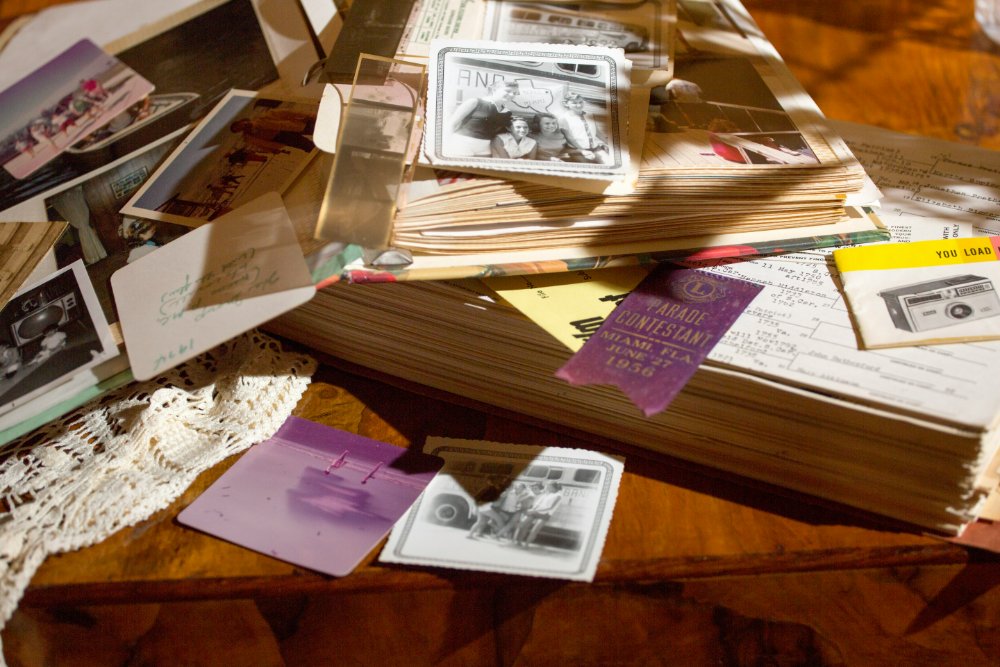
Tickets, photographs, and letters sometimes become part of a beloved book’s history. A train ticket may recall the journey during which you finished the final chapter. Nevertheless, storing objects between pages can strain a binding or leave marks. Adhesives, bulky keepsakes, and loose materials may also create problems. A separate keepsake folder often offers a more practical home for these items.
In addition, connect the folder clearly with the novel through a written description. Record what each object represents and how it relates to the reading experience. Keep books in a stable, dry indoor setting away from direct sunlight and potential leaks. For a particularly important or delicate item, seek advice from a qualified conservator before attempting cleaning or repair yourself.
Add Digital Context Without Losing the Personal Voice
Digital records can complement handwritten memories. You might photograph an inscription, type a longer reflection, or record yourself explaining why a novel matters. Likewise, a relative can describe the story behind an inherited copy. These records can preserve context that does not fit comfortably inside a book, while allowing family members in different places to access the same personal account.
However, digital memories need clear names and sensible organization. Identify the book, the person speaking, and the recording date. Keep more than one copy of important files and check occasionally that you can still open them. Ask permission before sharing another person’s account publicly. A private memory can remain valuable without becoming material for a public audience or social media post.
Let Rereading Add New Chapters
A meaningful novel can speak differently at different stages of life. Consequently, preserve your earlier reflections rather than replacing them when your opinion changes. Add a new dated entry describing what you notice now. You may understand a character differently or find that another scene matters more. These changes reveal how your perspective has developed alongside your relationship with the book.
Ultimately, preserving memories within beloved novels means keeping the surrounding human story accessible. Dates, reflections, inscriptions, and carefully connected keepsakes can explain why a particular copy matters. You can leave future readers a record of its place in your life. When you return to its pages, those details offer another story to encounter: the life unfolding around your reading.